
Air filters, charge pipes, intercoolers: what each does and which to fit first
These three sit on the same air path but fix different bottlenecks. Fit them in the wrong order and you pay without feeling anything. This page explains what each solves and which car should start where
See real products in the catalogue
Following the air path
Air enters at the filter, passes the turbo, reaches the intercooler to cool down, then runs through the charge pipe into the combustion chamber. Any part on this path that is too restrictive becomes a bottleneck
On a stock car the real bottleneck is rarely the filter, because the factory leaves reasonable headroom. What you notice more is when the car is tuned for higher boost and the stock intercooler can no longer shed the heat
Open-pod filter vs drop-in filter in the stock box
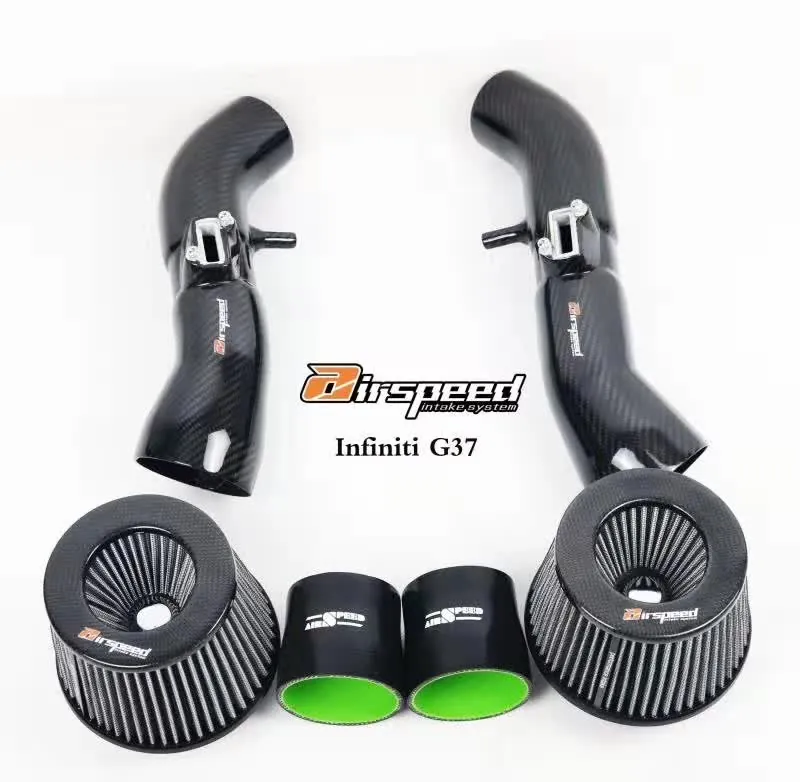
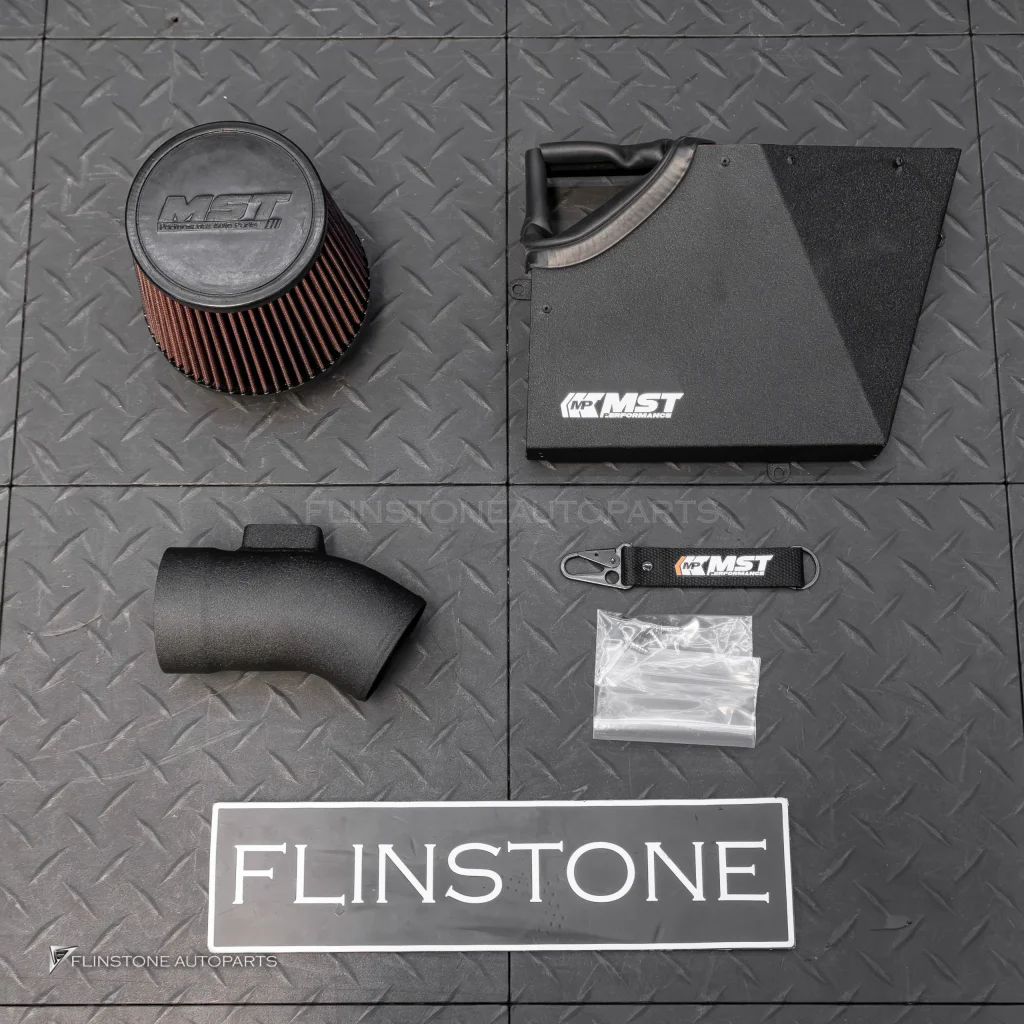
An open pod has a clearer induction sound and looks good in the bay, but without a heat shield it draws more hot engine bay air. Hotter air means lower density — the opposite of what you want
A drop-in filter in the stock box gets cooler air and stays quieter — the safe choice for a daily driver. If you go with an open pod, always have a heat shield with it
The charge pipe is usually the first thing to crack
Many turbo cars use a plastic charge pipe from the factory; once boost is raised this is the first thing to crack — a loud hiss and then the power disappears. An aluminium pipe eliminates the problem
When replacing it, check the couplers and clamps too: a small leak at a joint drops pressure without any warning light and is harder to find than a burst pipe
Which piece to start with
| Car condition | Do this first | Why |
|---|---|---|
| Completely stock, no tune | Drop-in filter in the stock box | Better sound and flow with no risk |
| Tuned with more boost | charge pipe | The first thing to crack when boost rises |
| Power fades on sustained driving | Intercooler | Heat soak is the real bottleneck |
| Very hot engine bay | Vents and heat shield | Less hot air drawn back in |
Frequently asked questions
Does changing only the filter add power?
On a stock car you mostly notice the sound rather than power, because the stock filter is not yet the bottleneck. The gain shows once the car is tuned or other parts on the same path have been changed
Will an open-pod filter damage the engine?
Not if you choose one that actually filters dust and clean it on schedule. The main downsides are hot air intake and more noise; use a heat shield and never let the filter clog
Does a bigger intercooler slow the response?
One that is bigger than needed adds air volume to the system, which can feel slightly slower to respond. Size it to the actual level of tuning rather than choosing the largest
Do I need a tune after fitting these?
If you only change the filter or charge pipe without raising boost, normally no. But if the goal is real power, tuning is the step that makes the parts you changed count
Is there anything for EVs?
EVs have no intake system like this; cooling-related parts are a different group. If you drive an EV, look at other categories such as body kits or interior parts
Where does this information come from?
Written from the products we actually import and sell, not translated from foreign sites. Item counts are read live from this site's product database when you open the page — there are currently 41,997 products in the system, and the numbers here update automatically
Flinstone Autoparts imports and installs car tuning parts, with 2 branches in Bangkok — Sathorn and the Ekkamai–Ram Intra expressway frontage road
Other guides: Chassis code · Front Grille · Rear-end parts · Silicone Hoses · Headlights & tail lights · Android screens & tuning boxes · Interior Trim