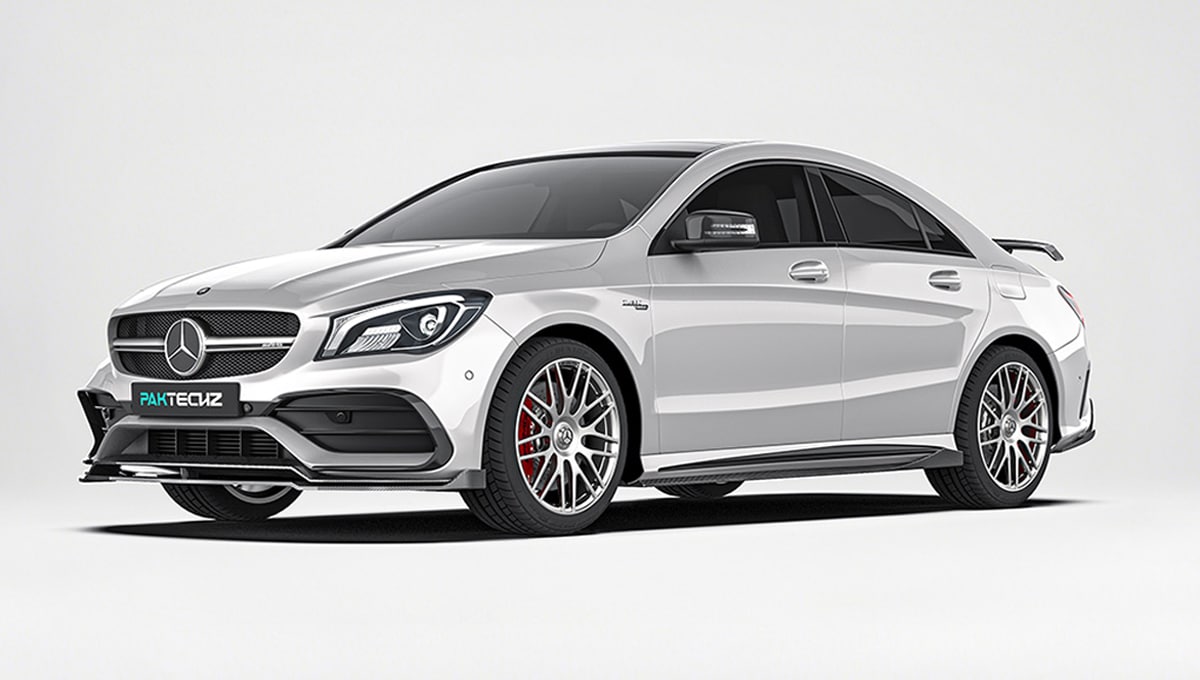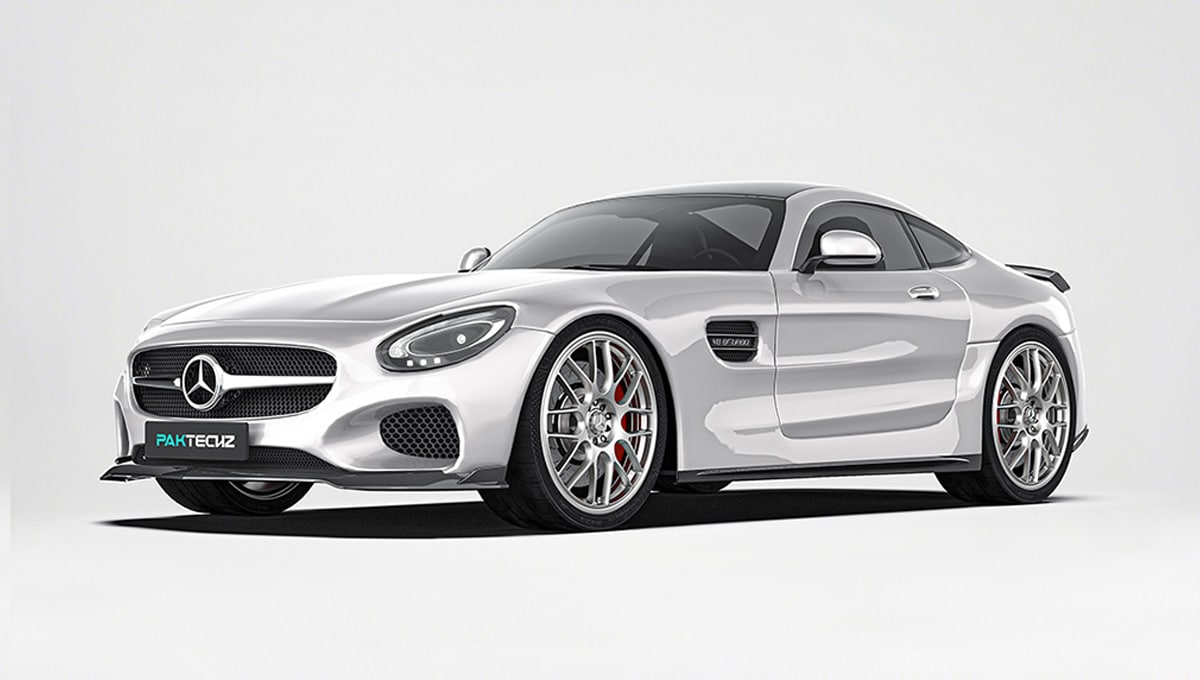
Aerodynamic body kits are a must-have for automotive enthusiasts and performance drivers looking to enhance both the functionality and aesthetics of their vehicles. These kits improve aerodynamic efficiency by reducing drag, increasing downforce, and optimizing airflow, all while giving your car a sleek, aggressive look. But one crucial decision lies at the heart of choosing the right body kit: selecting the best material.
Three materials dominate the market: Carbon Fiber, Stainless Steel, and Aluminum. While each has its own strengths, Carbon Fiber Aerodynamic Body Kits have firmly established themselves as the ultimate choice for modern performance vehicles—thanks to their unbeatable combination of lightweight strength, aerodynamic precision, and luxurious aesthetics.
In this blog, we’ll explore how Carbon Fiber outshines Stainless Steel and Aluminum in the realm of aerodynamic body kits and why it is the preferred material for drivers who demand both peak performance and cutting-edge style.
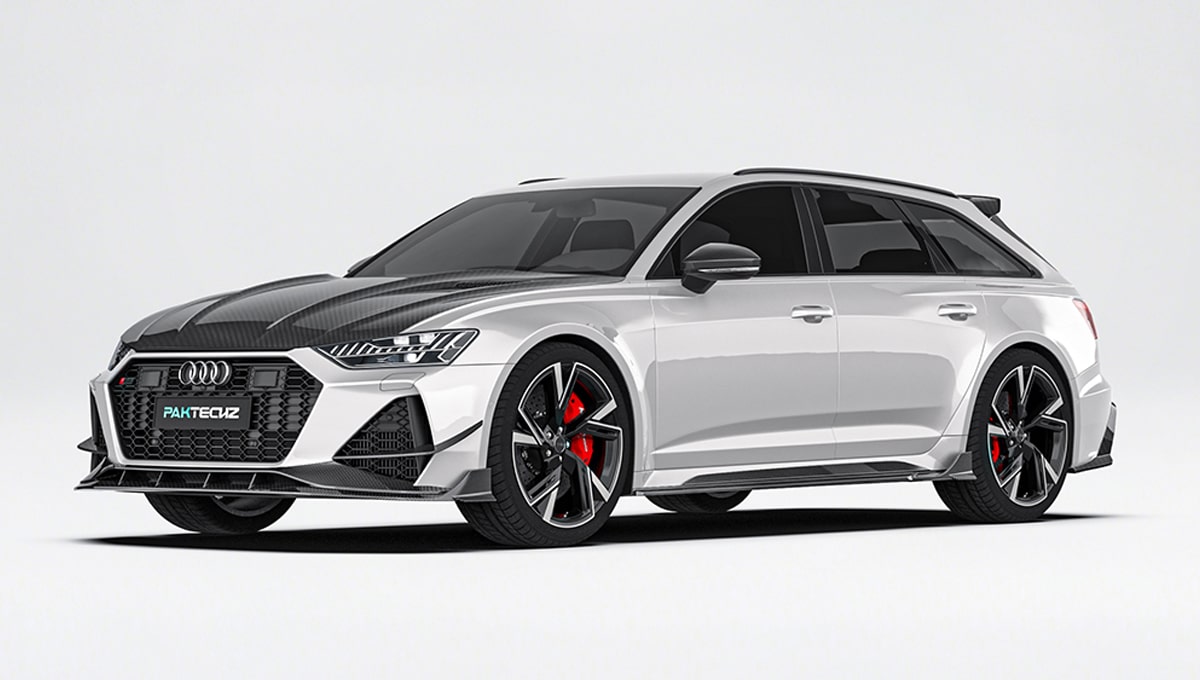
Why the Material of a Body Kit Matters
Body kits aren’t just decorative—they fundamentally enhance the way your car interacts with air. The material used directly impacts these critical factors:
Weight: A lighter material reduces overall vehicle weight, improving acceleration, cornering, and fuel efficiency.
Strength and Durability: The ability to withstand impacts, extreme weather, and road debris is crucial.
Aerodynamics: Materials that can be molded precisely into aerodynamic shapes enhance drag reduction and downforce creation.
Heat Resistance: Components near the exhaust or underbody must resist heat to maintain functionality.
Aesthetics: The material determines the style, texture, and finish of the kit—vehicles demand both performance and a visual statement.
While Aluminum and Stainless Steel have had their place in automotive history, Carbon Fiber sets a new benchmark for innovation and excellence.
How Carbon Fiber Crushes the Competition
Let’s analyze how Carbon Fiber Aerodynamic Body Kits outperform both Stainless Steel and Aluminum in key areas:
1. Weight Advantage
Carbon Fiber: One of the lightest materials available, carbon fiber is up to 70% lighter than aluminum and 90% lighter than stainless steel. Reducing vehicle weight has a profound impact on:
Improved acceleration and top speed.
Better fuel efficiency due to reduced engine load.
Enhanced handling with a lower center of gravity.
Aluminum: While aluminum is lighter than stainless steel, it’s still significantly heavier than carbon fiber, limiting its ability to positively impact high-performance vehicles.
Stainless Steel: Stainless steel is extremely heavy, making it impractical for applications demanding lightweight precision. Its bulk can reduce acceleration, worsen fuel economy, and significantly hinder handling, especially with multiple kit pieces.
Verdict: Carbon Fiber dominates due to its unparalleled lightweight construction, perfect for performance-focused aerodynamic upgrades.
2. Strength-to-Weight Ratio
Carbon Fiber: Despite being incredibly lightweight, carbon fiber boasts 5 times the strength of steel while being more rigid than aluminum. This makes it the ideal material for withstanding high pressures, stresses, and impacts. It’s especially valuable for components like diffusers and splitters that endure fast-moving airflow and debris.
Aluminum: While relatively durable, aluminum is prone to denting and deforming under significant stress or impact. It lacks the stiffness required for high-performance body kit applications.
Stainless Steel: Stainless steel is strong, but the trade-off is immense weight. Its strength-to-weight ratio doesn’t match the superior efficiency offered by carbon fiber.
Verdict: Carbon Fiber offers the best balance of strength and weight, providing durable yet featherlight performance that aluminum and stainless steel can’t achieve.
3. Aerodynamic Precision
Carbon Fiber: Carbon fiber is highly versatile and can be engineered into complex shapes with extreme precision, allowing for seamless designs that:
Reduce drag.
Maximize airflow.
Create additional downforce for stability.
Whether it’s a front splitter, side skirt, or rear diffuser, carbon fiber’s aerodynamic superiority ensures every component performs at its best.
Aluminum: While aluminum can be shaped into curves and complex designs, it is limited in precision when compared to the intricate molds and contours carbon fiber can achieve.
Stainless Steel: Due to its rigidity and weight, stainless steel is difficult to mold into thin, aerodynamic shapes, reducing its ability to optimize airflow or minimize drag effectively.
Verdict: Carbon Fiber’s advanced properties make it the material of choice for intricate, high-performance aerodynamic designs.
4. Heat Resistance
Carbon Fiber: Engineered for extreme conditions, carbon fiber retains its strength and structural integrity even in high-heat environments. This makes it ideal for components positioned near the exhaust or underbody, like diffusers and engine bay panels.
Aluminum: While aluminum has decent heat resistance, prolonged exposure to intense heat can cause warping or weakening over time.
Stainless Steel: Stainless steel offers better heat resistance than aluminum but is still prone to discoloration and heat absorption due to its higher density.
Verdict: Carbon Fiber takes the crown for managing heat without compromising structural integrity.
5. Aesthetic Appeal
Carbon Fiber: With its signature woven texture available in sleek glossy or matte finishes, carbon fiber exudes modern, race-inspired luxury. It provides a high-end appearance that elevates any car’s aesthetic, making a bold statement of performance and exclusivity.
Aluminum: While aluminum can be polished to a clean and simple finish, it lacks the contemporary, aggressive appearance that many performance enthusiasts desire.
Stainless Steel: Sturdy and functional as it is, stainless steel often feels outdated when compared to the stunning finish of carbon fiber.
Verdict: Carbon Fiber is superior for drivers who want their car to turn heads with a premium, sporty design.
5. Cost Efficiency vs. Performance
Carbon Fiber: It’s no secret that carbon fiber has a higher upfront cost than aluminum or stainless steel. However, for those who value performance, the long-term benefits outweigh the expense. Enhanced handling, speed, durability, and aesthetics make carbon fiber a worthy investment for performance enthusiasts.
Aluminum: Aluminum is more affordable and a solid option for budget-conscious buyers. However, for high-performance needs, it falls short compared to carbon fiber.
Stainless Steel: Low cost and high strength make stainless steel popular for durable everyday vehicles or large trucks. That said, it adds unnecessary weight for performance-focused settings.
Verdict: While more expensive, Carbon Fiber delivers unmatched bang for your buck if performance and luxury are your priorities.
Why Carbon Fiber Wins for Aerodynamic Body Kits
The evidence is clear: Carbon Fiber Aerodynamic Body Kits outperform stainless steel and aluminum in nearly every metric. Carbon fiber offers the perfect blend of lightweight performance, durability, aerodynamic precision, heat resistance, and aesthetics—qualities that are especially critical for performance enthusiasts or those driving high-end vehicles.
In Summary:
Lightweight Construction: Makes your car faster, more agile, and fuel-efficient.
Strength-to-Weight Ratio: Provides resilience without the burden of weight.
Aerodynamic Superiority: Optimizes airflow to improve handling and downforce.
Heat Resistance: Ensures longevity even under extreme conditions.
Premium Aesthetics: Turns your car into a visually stunning, race-inspired masterpiece.
For anyone serious about maximizing their vehicle’s performance and appearance, Carbon Fiber Aerodynamic Body Kits are the ultimate investment.
While stainless steel and aluminum have their place in the automotive world, Carbon Fiber stands out as the ultimate material for aerodynamic body kits. It’s the preferred choice for drivers who aim to unlock their car’s full potential—whether for racing, street performance, or luxury enhancement.