When it comes to upgrading your car for enhanced aerodynamics, improved handling, and a bold, performance-driven look, the material of your body kit matters just as much as the design. Two common materials are carbon fiber and ABS plastic, both popular in the automotive aftermarket industry. However, carbon fiber has established itself as the unrivaled leader when compared to ABS plastics, especially for enthusiasts and professionals seeking high performance and durability. In this blog, we’ll explore the key advantages of carbon fiber aerodynamic body kits and why they outperform ABS plastic alternatives in every category that matters.
What Are Aerodynamic Body Kits?
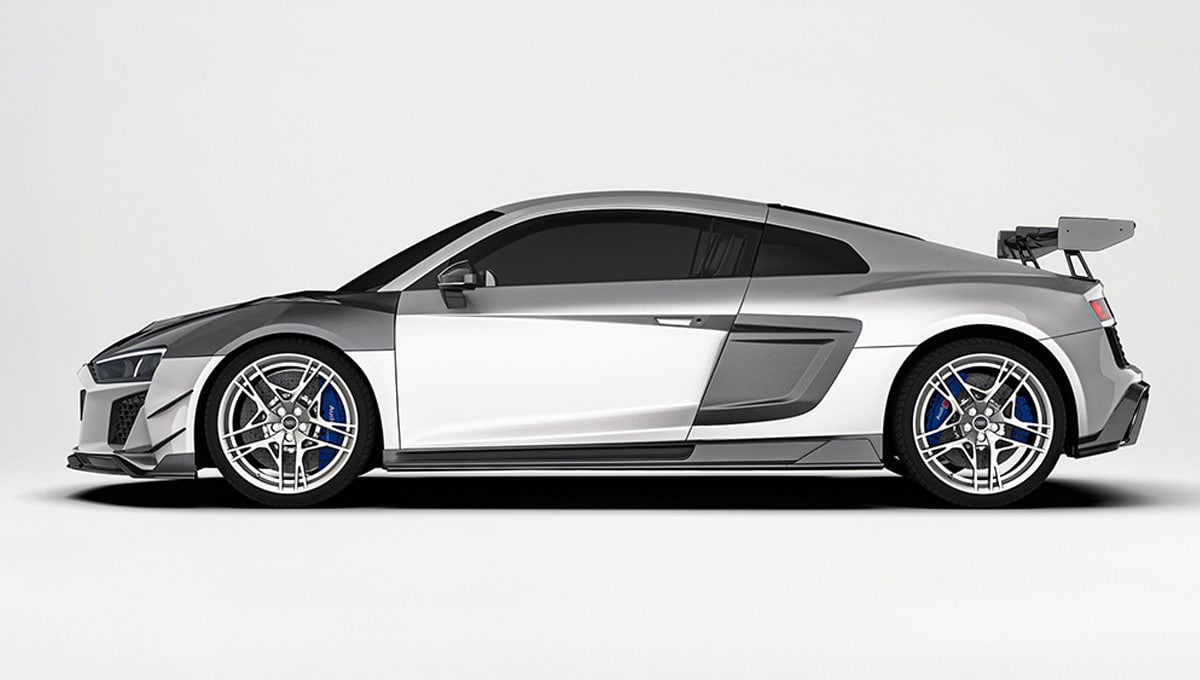
Before diving into the comparison, let’s quickly recap what aerodynamic body kits are and why they’re important. Aerodynamic kits typically include components like front splitters, side skirts, diffusers, and spoilers, which are designed to:
Reduce drag by optimizing airflow around the car’s body.
Increase downforce to improve traction and stability at high speeds.
Enhance efficiency, particularly for racing or spirited driving.
The efficiency of these components depends heavily on their material, and carbon fiber aerodynamic kits are engineered for maximum performance, giving them a distinct edge over their ABS plastic counterparts.
1. Strength-to-Weight Ratio
One of the biggest advantages of carbon fiber over ABS plastic is its superior strength-to-weight ratio. Carbon fiber is exceptionally strong while being incredibly lightweight, allowing it to enhance the car’s performance in ways that ABS plastic cannot.
Why This Matters:
The lower weight of carbon fiber reduces the overall weight of the vehicle, improving acceleration, handling, and braking.
ABS plastic is much heavier compared to carbon fiber, adding unnecessary weight that can hinder your car’s performance.
For anyone who values a balance between strength and agility, carbon fiber is the clear winner.
2. Precision Aerodynamics
Carbon fiber’s structural properties allow for complex, precise designs that perform exceptionally well aerodynamically. Manufacturers of carbon fiber components can create intricate shapes and thinner profiles without compromising strength. ABS plastic, on the other hand, is more limited in this regard due to its lower rigidity and less refined molding processes.
Why This Matters:
Carbon fiber aerodynamic body kits yield better airflow, reducing drag and increasing stability at higher speeds.
ABS plastic may result in bulkier, less aerodynamic shapes, which are less efficient at improving a car’s overall performance.
For racing and high-performance applications, carbon fiber not only delivers better looks but also measurable performance benefits.
3. Heat Resistance
One of the downsides of ABS plastic is that it has a low melting point and can warp or deform under high-heat conditions, such as prolonged exposure to sunlight or the extreme friction introduced by performance driving. Carbon fiber, on the other hand, boasts far greater heat resistance, maintaining its integrity and structural soundness even in challenging environments.
Why This Matters:
Carbon fiber components can withstand the high temperatures generated during racing or spirited driving, making them more durable and reliable.
ABS plastic is more likely to degrade when exposed to heat for extended periods, resulting in reduced lifespan and compromised performance.
For anyone who pushes their car to its limits—or simply lives in a hot climate—carbon fiber is the more dependable choice.
4. Visual Appeal
When it comes to aesthetics, carbon fiber is in a league of its own. The woven pattern of exposed carbon fiber is not just functional but also visually stunning, exuding a premium, high-performance vibe. Meanwhile, ABS plastic components are often painted and lack the unique, high-tech appeal of carbon fiber.
Why This Matters:
Carbon fiber aerodynamic kits instantly transform your car into a luxury, race-inspired masterpiece.
ABS plastic, while functional, is far less visually appealing, with a flatter, more generic appearance.
Whether you’re at a car meet or cruising the streets, carbon fiber offers an undeniable advantage in style.
5. Durability and Lifespan
Carbon fiber’s combination of strength, rigidity, and lightweight design ensures it can withstand the wear and tear of daily driving or track conditions. ABS plastic, while more affordable, is prone to cracking, fading, and losing its structural integrity over time, especially in extreme conditions.
Why This Matters:
A carbon fiber body kit is a long-term investment that holds up under pressure, resisting impacts, warping, and environmental degradation.
ABS plastic has a shorter lifespan, requiring frequent repairs or replacements, which offsets its lower upfront cost.
In terms of durability, carbon fiber is designed to go the distance, both on and off the track.
6. Weight Reduction for Performance
Weight reduction plays a critical role for enthusiasts looking to enhance their vehicle’s performance. Carbon fiber is up to 70% lighter than traditional materials like ABS plastic, making it ideal for reducing the car’s overall weight and improving performance metrics.
Why This Matters:
Less weight translates to:
Quicker acceleration.
Better handling.
Improved fuel efficiency.
ABS plastic’s added weight not only hinders these performance benefits but also puts more strain on the car’s suspension and braking systems.
For those who prioritize high performance, carbon fiber delivers superior results.
7. Resale Value
When it’s time to sell or trade in your car, having a carbon fiber aerodynamic body kit immediately communicates quality, luxury, and performance. ABS plastic body kits, while popular in the budget category, don’t hold the same value in the aftermarket resale market.
Why This Matters:
A carbon fiber kit enhances the car’s desirability for future buyers.
ABS plastic is viewed as a cheaper material, which could lower the perceived value during a resale.
Investing in carbon fiber not only benefits performance but also boosts your vehicle’s long-term value.
Why Carbon Fiber Aerodynamic Kits Are Worth It
While ABS plastic body kits may appeal to those looking for an inexpensive solution, they cannot compete with the advantages of carbon fiber aerodynamic body kits. From superior strength-to-weight ratio and long-term durability to unmatched aerodynamics and style, carbon fiber dominates every critical performance category.
Key Reasons to Choose Carbon Fiber:
Lightweight yet strong: Improves speed, handling, and braking efficiency.
Precision aerodynamics: Maximizes airflow for superior stability and reduced drag.
Heat resistance: Withstands extreme conditions without warping or degrading.
Premium aesthetics: Instantly elevates the appearance of any vehicle.
Durability: Lasts longer and performs better than ABS plastic, even under stress.
Value retention: Adds significant resale value to your car.
While carbon fiber kits come with a higher initial investment, their unmatched performance, reliability, and visual appeal make them the ultimate choice for serious car enthusiasts.